Amy Saper
Investing in Gamma (again!)
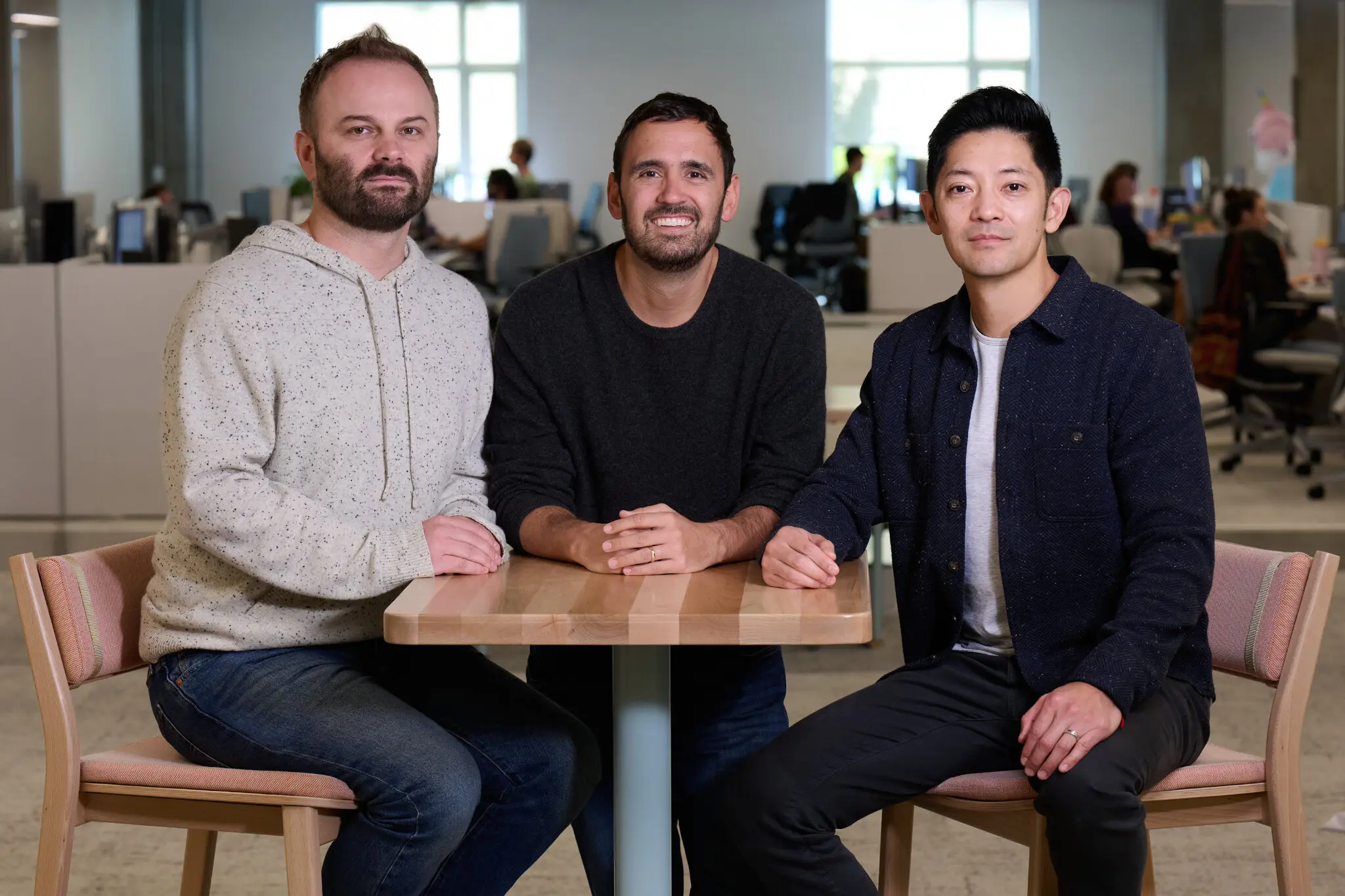
When I first invested in Gamma in 2021, ChatGPT didn’t exist. Waymo wasn’t yet publicly available. Humans wrote the vast majority of code. Fast forward four years to late 2025, when I invested in Gamma for the second time, and the world had transformed. But the team’s ultimate mission and my belief in it? Exactly the same.
In the summer of 2021, when the world was still deep in the midst of the Covid pandemic and many of us had not yet returned to our offices, I heard about a talented ex-Optimizely team building a new tool for presentations. Having been frustrated with existing tooling in my former career as a Product Marketing and Product Management leader of fast-moving organizations like Twitter, Uber, and Stripe, I was intrigued by the idea. When I had the chance to meet Grant, Jon, and James, I immediately grasped the value of what they were building. We bonded over a shared frustration about the tension between wanting to create beautiful docs and presentations, but lacking either the innate design skills or internal design resources to do so. Despite the fact that in 2021 they were just “a team and a dream” (as Grant puts it), and I was a new partner at Accel, I knew I wanted to be a part of their journey. Luckily for me, they agreed to let me lead their seed round. In Gamma’s seed announcement, I highlighted that a Gamma blends the ease of document creation with the presentation features of a slide deck, and shared how my prior operating roles provided me with an innate understanding of the problem they were tackling.
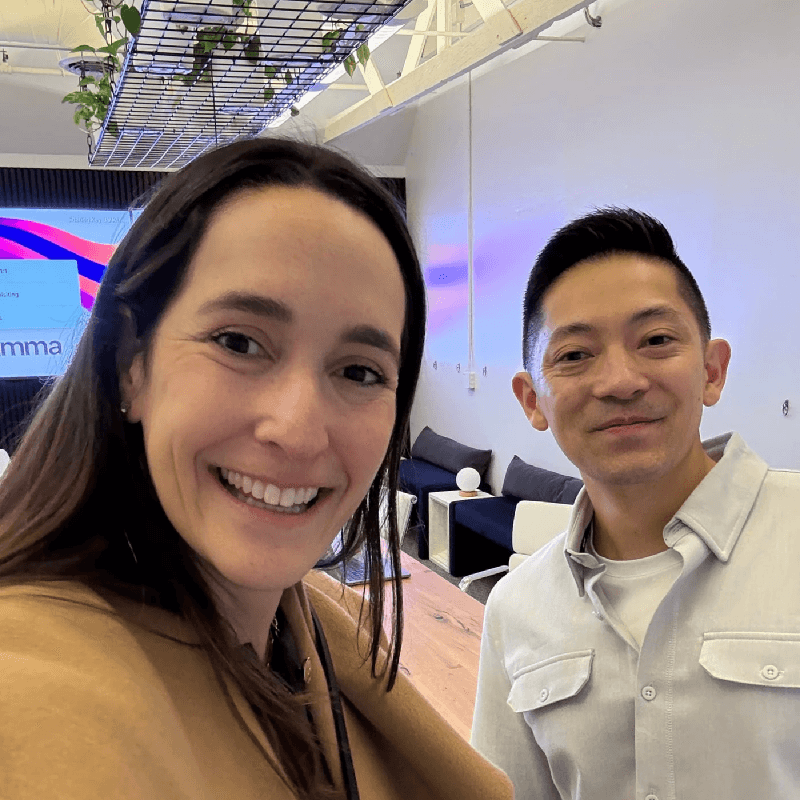
In late 2025, I had the opportunity to invest in Gamma again, this time as a partner at Uncork, as part of their a16z-led Series B. While lots of things have changed in the world broadly, and for Gamma specifically, I’m also struck by how much has remained consistent. As I reflect on the last 4.5 years in Gamma’s journey, I wanted to share some of the elements that have changed, and what’s stayed consistent, from when I first met this team in 2021, until today.
First, what has remained the same? The founders (Grant Lee, Jon Noronha, and James Fox) are hardworking, humble, passionate builders who have an enormous vision to change the way we communicate. They have a small but mighty team that values in-person work, with an office in Potrero Hill, San Francisco. They have a deep emphasis on building a unique, supportive, ambitious company culture (this was on full display when I joined their company offsite in the fall of 2021).
While they set ambitious goals for themselves, they never take themselves too seriously — the mission, vision, and values they established from the beginning still shape how they show up every day. They can regularly be seen playing pranks on each other, wearing costumes to the office, and showing a certain whimsical irreverence that appears in everything from office decor to their marketing efforts. They are committed to democratizing access to beautiful design for their users, whether or not a given user has a design background, or resources they can tap internally. The product is purpose-built to be adaptable for multiple communication modalities, whether presenting live, or as a leave-behind document. The team does weekly “Gammaramas” where employees get to teach their coworkers something new (past topics have ranged from “the croissant diet” to “Steph Curry’s greatness” to “understanding image models”). All of this was true when I first met the team in 2021, and it remains true today.
Now for what’s different. While the team is still small and mighty, their headcount has grown along with their usage and revenue. The team has grown to just over 50 employees, and while the office is still in Potrero Hill, the space is larger, and the branding sleeker. They crossed $100M in ARR at the end of 2025 (up from $0 when I invested in 2021), and boast more than 70M users (up from a handful of alpha users just four years prior). Those users now create over a million pieces of content every day.
While Gamma launched over a year before ChatGPT did, when AI was still in its infancy, they capitalized on advancements in ways many others missed. Rather than rushing to slap an agent onto their existing product (the “technology-first” approach many took at the time), the Gamma team examined their funnel and looked for points of friction. Users loved the finished Gamma product but struggled with the “blank slate” problem of getting started. AI ended up being the perfect tool to solve their biggest point of friction, substantially reducing the barrier to getting started. The team has built impressive underlying infrastructure that applies the best image or text generating models for a given prompt, getting users 80% (or more) of the way to a beautifully finished product automatically, letting them save their creative energy for the final 20%, rather than struggling with the formatting just to get started.
Despite all of these improvements, I still believe that the opportunity for Gamma is only just beginning. While employees at over 40,000 companies across the world use Gamma today, they’ve only just begun building out a new toolset that is tailor-made for larger organizations. They recently announced the Gamma Agent (your AI design partner), the Gamma API and Gamma for Teams. The API is already enabling creative integrations, from auto-generated meeting recaps based on Granola notes, to instant customer proposals based on Google form submissions, and more. With the new Teams and Business products, enterprises across verticals and geographies have begun rolling out Gamma company-wide to their organizations. Seeing these early kernels of possibility got me and the whole Uncork team excited to partner with Gamma at this point.
Congrats to the Gamma team on balancing remarkable growth with deeply rooted consistency since your earliest days. We’re thrilled to be on this journey alongside you!